July 2026 Newsletter


Nortera Update

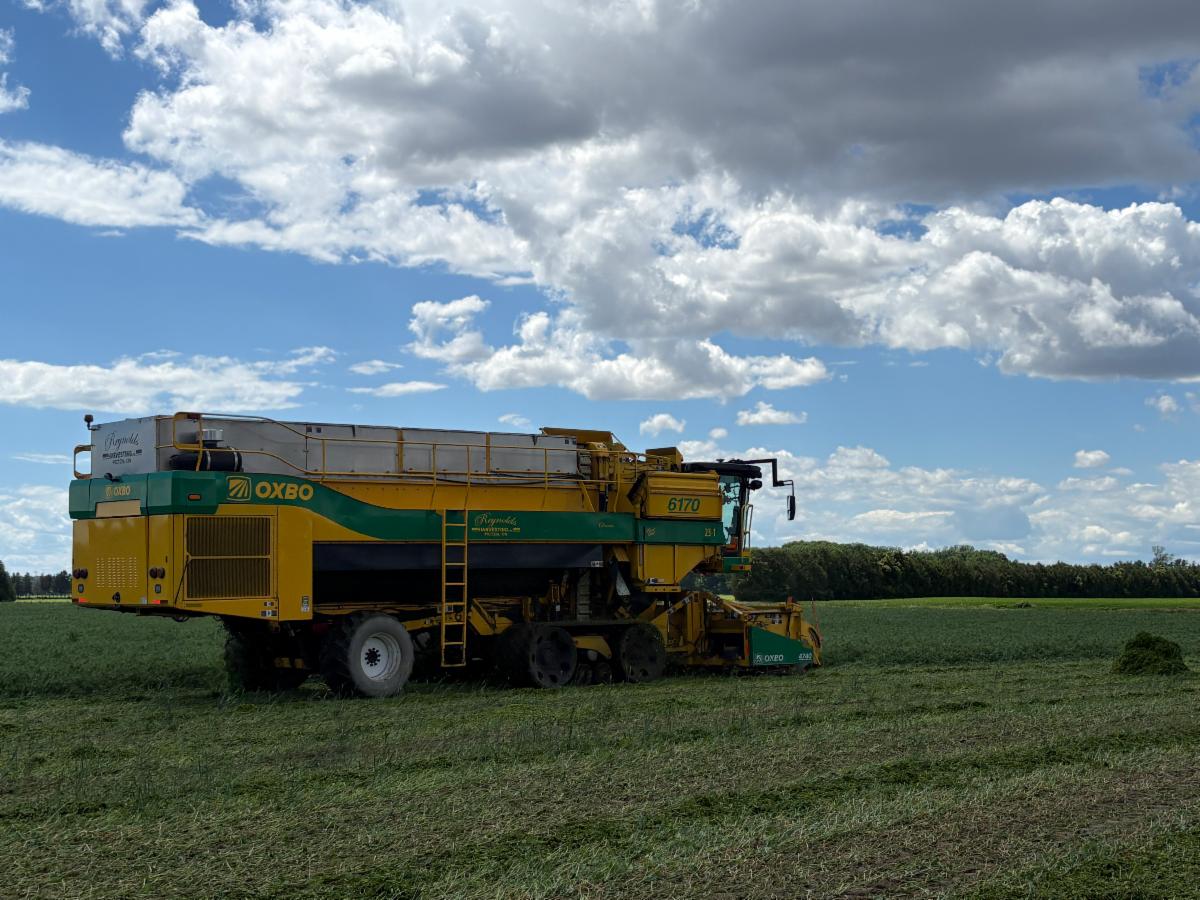
Pea harvest began on June 12th in Chatham, Ontario. To date, Tecumseh is 34% complete and Strathroy is 14% complete. We are currently seeing average yields and good crop quality.


Planting

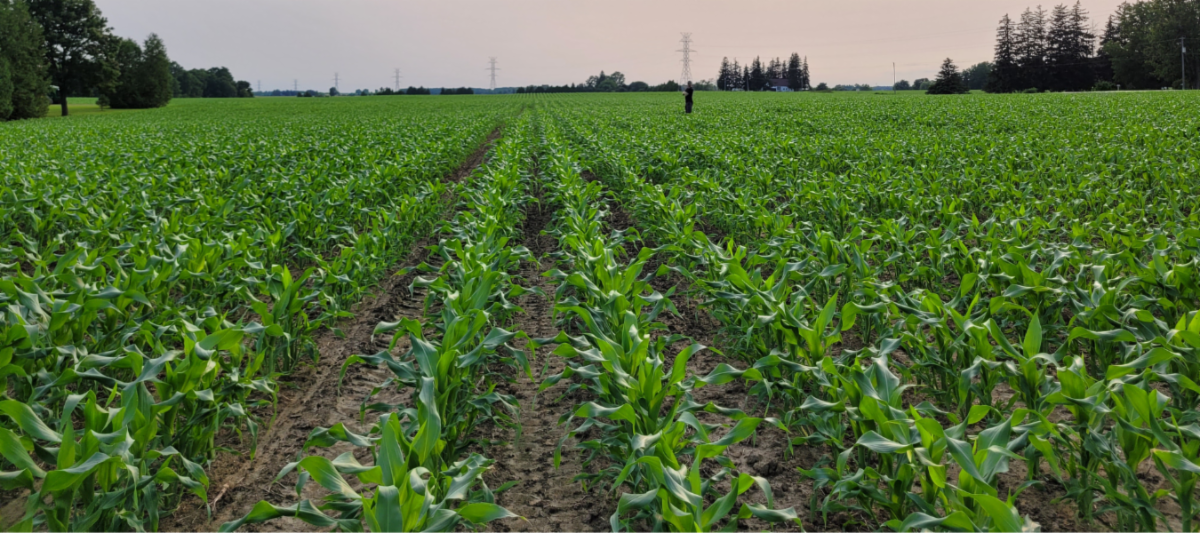
June has been challenging due to rain delaying our planting windows. We have worked with crop insurance to secure planting extensions for sweet corn (until July 5th) and Lima beans (until July 4th). Green bean planting will continue into July.


Crop Conditions

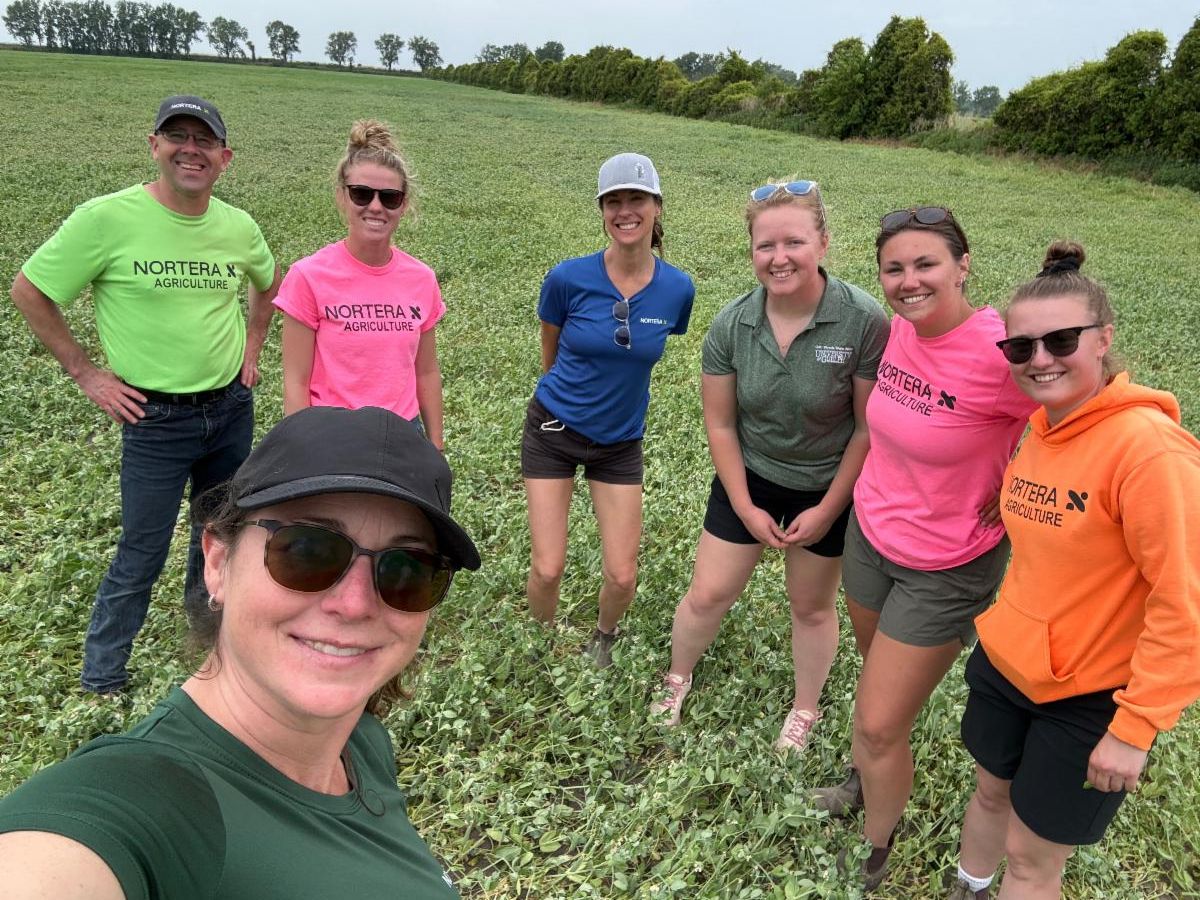
The Nortera Fields team has been scouting and walking all fields. We ask that you also closely monitor your fields for weeds or other issues. The crop is progressing well, and in the coming weeks, we will focus on our insect and fungicide spray programs. Please contact your field representative immediately if you have any concerns.


As a final reminder, please ensure all pesticide and nutrient data is entered into Agro One prior to harvest.


Provided by Jennifer Thompson, Nortera

Tariff of 10 per cent announced on some imports of canned vegetables

The federal government has announced a temporary 10% surtax on most global imports of canned vegetables effective June 19, 2026. This measure is intended to support Canada's canned vegetable industry by helping reduce the impact of increased imports on domestic growers and processors.


Imports from countries covered by existing trade agreements such as the United States, Mexico, Israel, Chile, and certain developing countries are exempt.


The provisional surtax will remain in effect for up to 200 days while the Canadian International Trade Tribunal continues an ongoing investigation into whether rising imports are causing injury to Canadian vegetable processors.


The Tribunal is expected to issue its findings by September 9, 2026.

Pesticides Regulatory Directorate (PRD) Update on Drones

The Canadian Aerial Applicators Association (CADA) has announced that it has received a Letter of No Objection from Health Canada’s Pesticides Regulatory Directorate. This interim decision allows the application of certain pesticides by drone, provided those products are already registered for conventional aerial application.


If a product label already includes directions for aerial application to a specific crop, drone application may now be permitted, as long as all label requirements are strictly followed.


CADA has indicated that additional guidance and best management practices will be released in the coming weeks to support growers, applicators, and industry partners.


Find out more information at the Canadian Agricultural Drone Association's website HERE.


RESEARCH UPDATE

Are we applying enough N on newer tomato varieties?

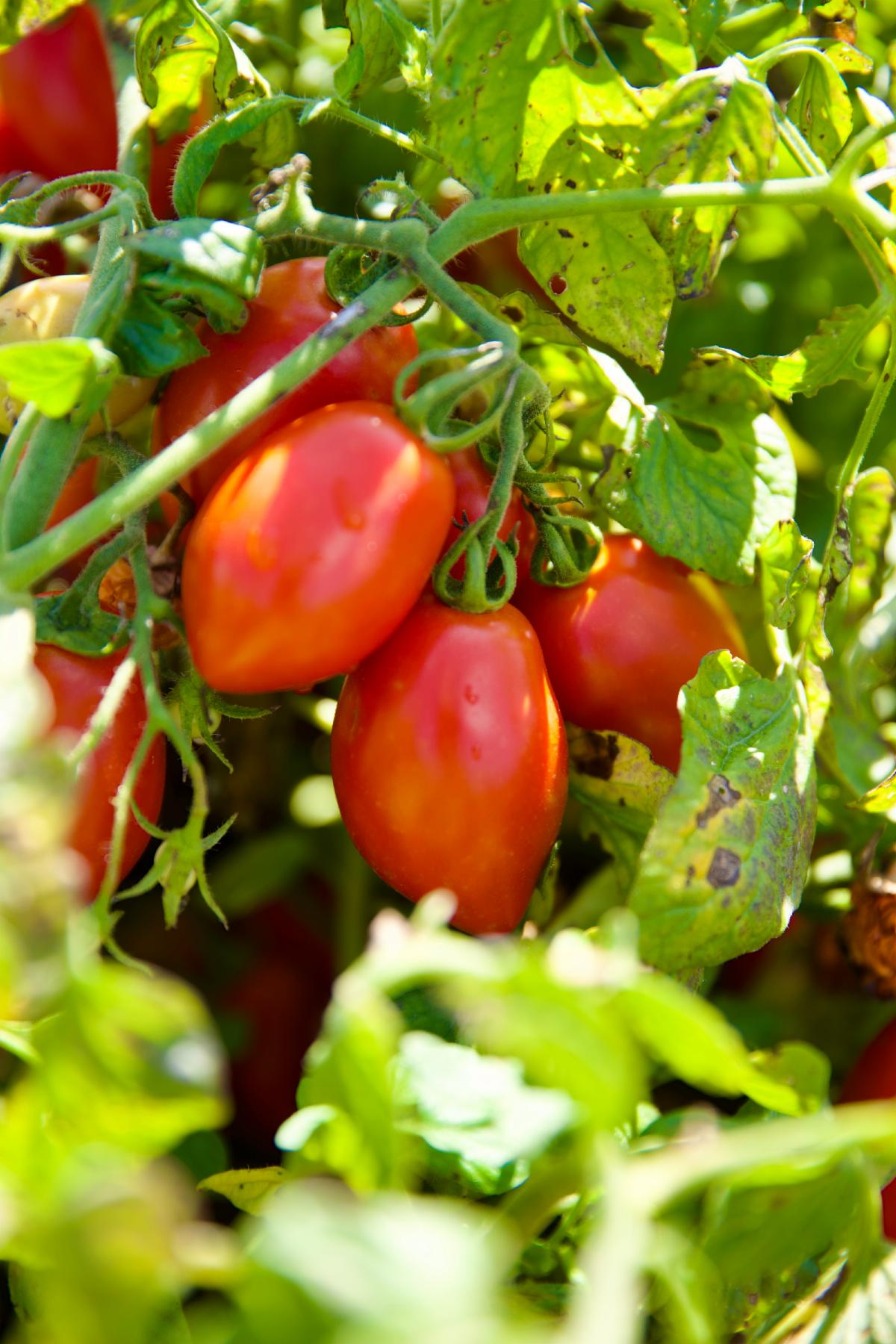
As harvested tonnage continues to improve for processing tomatoes, the Ontario Tomato Research Institute requested a review of recommended nitrogen rates on three newer varieties. The three-year project was led by John Zandstra who’s in charge of fruit and vegetable cropping systems at the University of Guelph, Ridgetown Campus.


“The recommended nitrogen rates set by the Ontario Ministry of Agriculture, Food and Agribusiness have not been updated in awhile, and we wanted to see what the crop response would be to higher nitrogen rates on these newer varieties,” says Zandstra.


Six different fertilizer treatments were compared on three varieties (C337, H1014 and H3406), grown on loam or clay soil on Ridgetown Campus fields. The treatments ranged from no added nitrogen to currently recommended rates of 140 – 160 lb./ac., and up to more than 300 lb./ac. 


The trial ran over three seasons (2023 –2025) and looked at yield response from nitrogen rates but did not include an economic component.


  • Overall, tomato yields were higher when fields received more than the recommended rate of 160 lb. /ac. of nitrogen.
  • There was no benefit to applying more than 300 lb./ac. of nitrogen, and in some cases yields dropped at these higher rates.


“We found consistently better yields at higher than currently recommended nitrogen rates,” says Zandstra. “This isn’t really a surprise but was good to confirm that we’re on the right track on how much we can push the yields of these newer varieties.” 


Read the full research report Tomato nitrogen trial on clay and loam soil types. 


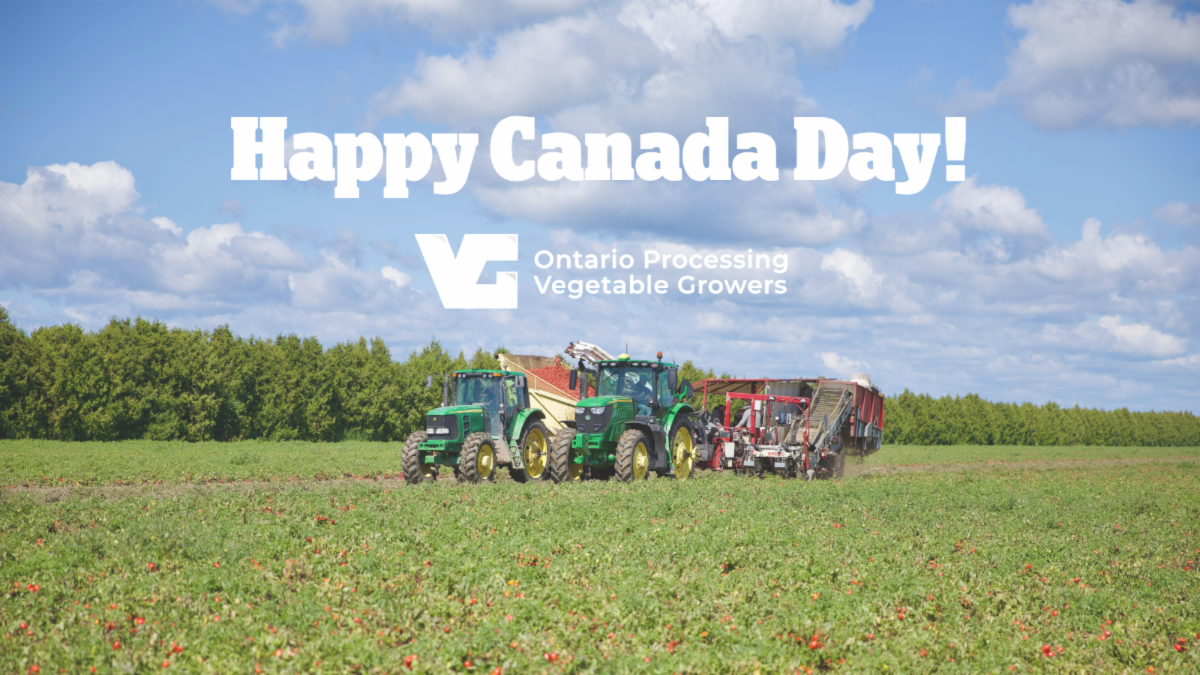
Wishing everyone a safe, happy Canada Day and all the best for the rest of the growing season. The OPVG office will be closed Wednesday, July 1 and will reopen Thursday, July 2 at 8:00 am.

OPVG office hours

8:00 am – 4:00 pm 

Monday to Friday

519.681.1875 opvg@opvg.org

Follow us
Twitter  Youtube